Keeping fluid production lines clean while protecting expensive downstream gear is a non-stop headache for plant engineers. Think about it: a tiny piece of rust scale from an old carbon steel pipe or microscopic wear iron from a pump can easily ruin an entire batch of product. Worse, it can destroy your high-pressure pumps, homogenizers, or filling nozzles in a heartbeat.While you have plenty of magnetic separation options on the market today, In-Line Liquid Magnetic Traps – also called magnetic liquid filters – have pretty much become the go-to standard for pressurized fluid lines.Let’s skip the marketing fluff and look at the real-world technical guide to selecting, running, and maintaining these passive systems.
What is an In-Line Liquid Magnetic Trap?
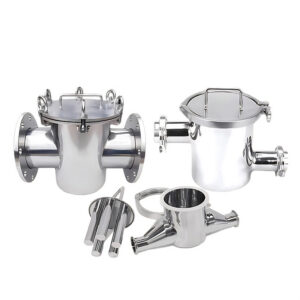
An In-Line Liquid Magnetic Trap is a heavy-duty, stainless steel pipeline permanent magnetic separator designed to intercept ferromagnetic impurities from flowing liquids, slurries, and viscous materials.
Unlike a standard hopper magnet that relies on gravity to clean dry powders, a liquid trap is built to handle pressure inside a closed pipeline.The fluid slurry is forced directly through a tight array of high-intensity magnetic rods housed inside a heavy-duty chamber. As the liquid flows through, any magnetic debris gets yanked out of the stream and locked onto the underside of the tubes. Even under high velocity, the magnetic pull holds the trash tight so it won’t wash back into your clean product.
[Fluid Inlet] ---> [ Chamber / High-Intensity Magnetic Rods ] ---> [Purified Outlet]
                                 |
                     (Ferrous Impurities Captured)
Structure and Materials
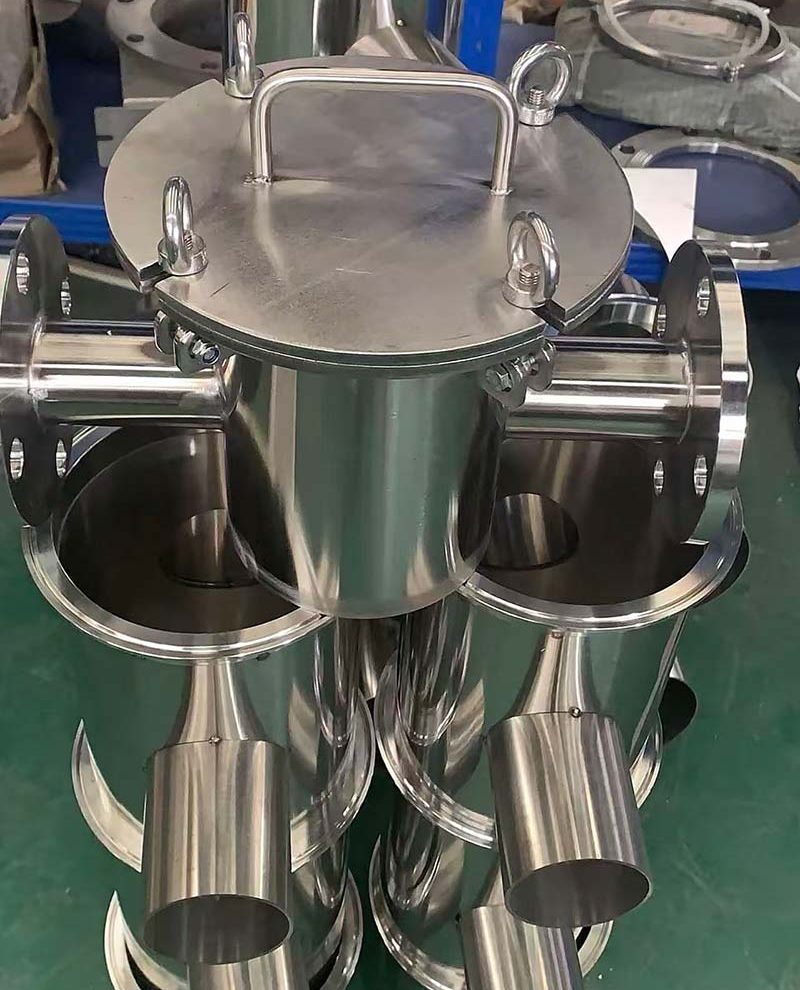
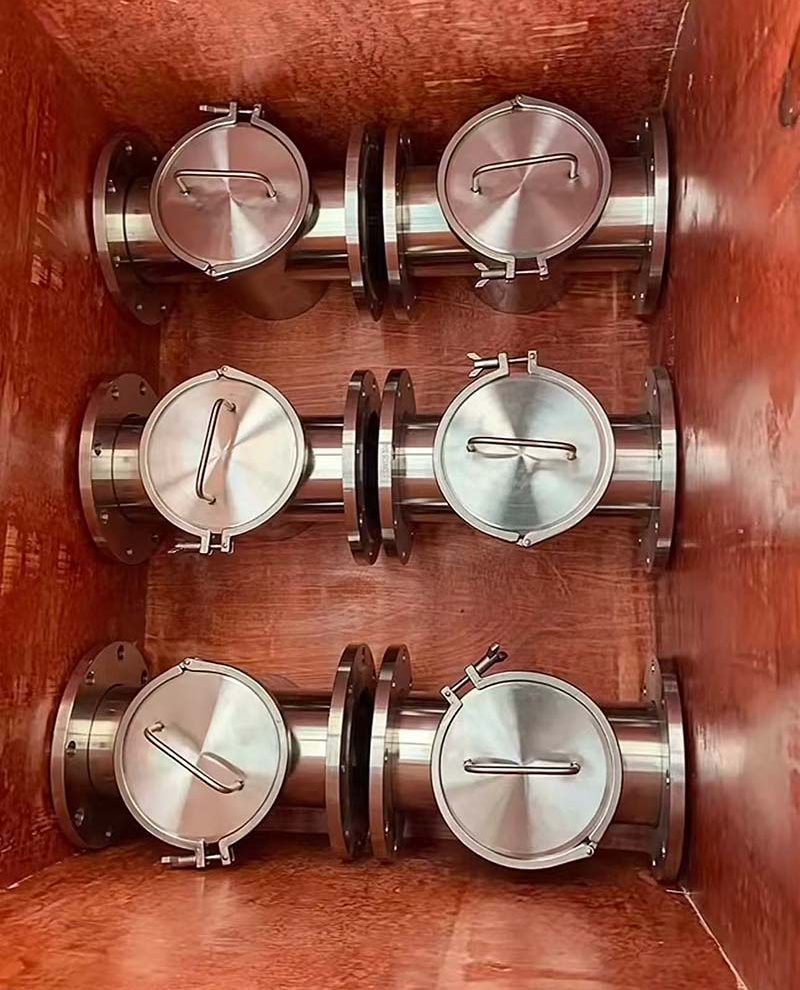
To withstand hydraulic shocks, high pressure, and chemical corrosion, the manufacturing standards of the liquid magnetic trap must be strictly controlled. The system prioritizes the following specific structural designs:
- Housing and Sleeves: Constructed from thick-gauge SUS304 or SUS316L stainless steel (strictly excluding counterfeit stainless steel materials from the market). Due to its superior resistance to pitting corrosion, SUS316L is essential for pharmaceutical and highly corrosive chemical applications.
- Welding Integrity: A special continuous seam welding process effectively eliminates pinhole defects, ensuring zero leakage under high-pressure pipeline conditions.
- Surface Finish: High-gloss mirror polishing (typically refined to an average surface roughness Ra < 0.4 μm) is crucial for meeting food safety and hygiene standards, preventing bacterial growth and material residue.
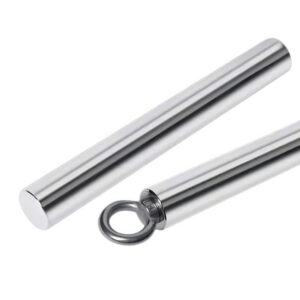
- Magnetic Core: A high-flux rare-earth neodymium iron boron (NdFeB) permanent magnet combined with a magnetic guide plate transfers maximum magnetic force to the fluid.
- Sealing Gaskets: Depending on chemical compatibility and temperature requirements, quick-release caps are sealed with food-grade silicone, fluororubber, or polytetrafluoroethylene (Teflon) gaskets.
 |
 |
Technical Parameters and Specifications
The design of online liquid magnetic separators requires flexibility and cannot be a one-size-fits-all approach. Engineers must match the technical parameters of the magnetic separator to the fluid dynamics characteristics of the production line.
| Parameter | Standard Range | High-Performance / Custom Range | Engineering Impact |
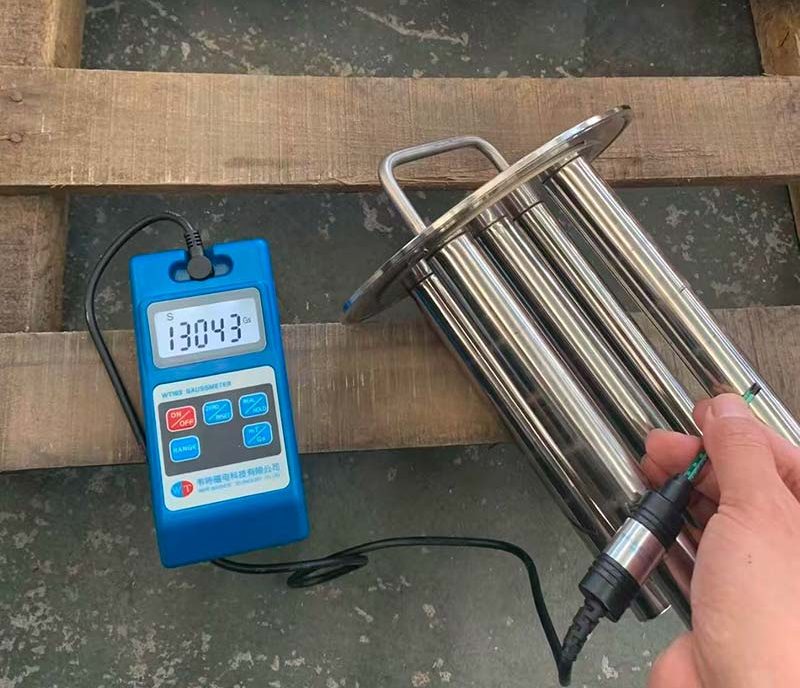
| Surface Magnetic Strength | 8,000 Gauss | 12,000 to 13,000 Gauss | Higher Gauss values mean stronger magnetic field strength, which is crucial for filtering weakly magnetic work-hardened stainless steel shavings or submicron-sized iron powder. |
| Operating Temperature | ≤ 80°C | Up to 350°C (Samarium-Cobalt or High-T NdFeB) | The equipment typically operates at temperatures ≤ 80°C. Since standard magnets (Samarium Cobalt magnets or high-temperature NdFeB magnets) can demagnetize under overheating conditions, custom-designed magnet materials are selected to effectively prevent demagnetization in high-temperature environments, with a maximum temperature of up to 350°C. High-temperature options are crucial in the food processing industry, particularly for chocolate tempering or hot oil production lines. |
| Pressure Rating | 0.6 MPa (6 Bar) | Up to 1.5 – 2.0 MPa (15 – 20 Bar) | Must equal or exceed the maximum hydraulic pressure generated by the feed pump. |
| Connection Types | Sanitary Tri-Clamp | Threaded Joints, ANSI / DIN Flanges | Determines how easily the separator can be integrated into existing piping without restricting flow rate. |
Technical Comparison: Liquid Traps vs. Other Magnetic Separators
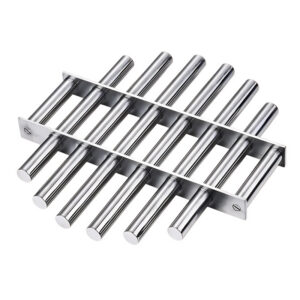
To make an informed purchasing decision, it’s necessary to compare in-line integrated liquid filters with other magnetic separators to understand the differences between these products: Liquid Magnetic Traps vs. Dry Magnetic Grates (Hopper Magnets) Dry magnetic bar screens operate by gravity; dry powder falls vertically into the open bar (magnetic grid). If a dry grid structure is used in a liquid pipeline, leakage will occur immediately due to pressure. Liquid separators use a fully sealed, pressure-resistant housing to maintain hydraulic pressure without limiting fluid velocity.
Liquid Magnetic Traps vs. Magnetic Drums / Pulleys
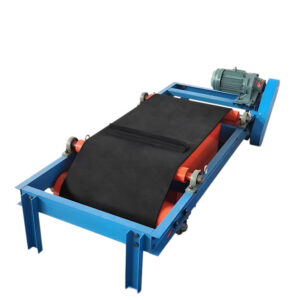
Magnetic drums are ideal for continuously extracting large ferrous contaminants in bulk from conveyor belts (e.g., in mining aggregate processing). However, they are open systems and cannot handle liquids. In-line separators are enclosed systems that ensure 100% capture of volatile liquids, fruit juices, and syrups.
Liquid Magnetic Traps vs. Self-Cleaning Automatic Separators
While automatic scrapers achieve continuous cleaning without human intervention, they require external power, pneumatic piping, and complex control panels. In-line permanent liquid separators operate entirely passively. They require no electricity, continue operating even during plant power outages, and have no moving parts susceptible to mechanical wear.
Target Applications: Where Are They Crucial?
Liquid magnetic separators are strategically placed upstream of critical processing machinery or prior to the final packaging stage. Key industries include:
- Lithium-ion battery anode materials: Iron impurities at the parts-per-billion (ppb) level must be removed from liquid slurry before slot coating. Even a single microscopic iron particle can puncture the battery separator, leading to short circuits and thermal runaway.
- Food & Beverage Processing: Intercept rust and mechanical wear debris in juices, chocolate, syrups, milk, and condiments to meet stringent HACCP and FDA food safety audit requirements.
- Chemical & Petroleum Industry: Purify lubricants, coolants, and liquid chemical reagents to prevent iron scale and wear from damaging downstream high-pressure pumps and filling nozzles.
How to Use and Install Liquid Magnetic Separators
Proper installation ensures maximum contact time between the fluid slurry and the magnetic field.
- Installation Location: Install the separator downstream of the main feed pump, but upstream of any fine filters, homogenizers, or filling heads. It is strongly recommended to install the separator in a bypass line equipped with an isolation valve. This allows production to continue via the alternative route during cleaning cycles.
- Orientation: Vertical installation is preferred for highly viscous fluids or slurries prone to settling, ensuring that the chamber fills completely and avoids air pocketing. Horizontal installation is acceptable for high-velocity water-like liquids.
- Flow Direction: Ensure the liquid enters through the designated inlet port, forcing the fluid through the center of the magnetic array rather than bypassing it around the perimeter.
How to Maintain and Clean the Equipment (The “Zero-Leak” Protocol)
Because permanent magnets hold onto captured iron fragments with immense physical force, the trap must be manually cleaned periodically to prevent the accumulated debris from restricting flow or re-entraining into the clean flow.
[Production State: Valves Open] ---> [Isolation Phase: Close Inlet/Outlet] ---> [Purge & Open Lid] ---> [Wipe Rod Sleeves Clean]
Step-by-Step Maintenance Routine:
- Isolate the System: Divert the fluid flow to the bypass line. Close both the inlet and outlet valves of the magnetic trap chamber.
- Depressurize: Open the drain valve at the bottom of the housing to release internal hydraulic pressure and drain residual product.
- Open the Housing: Loosen the quick-release swing bolts or flange clamps. Carefully lift the heavy-duty lid assembly containing the integrated magnetic rods.
- Wipe Debris: Wipe the captured ferrous particles down toward the tips of the rods using a lint-free cloth or a non-magnetic scraper tool. Because the magnetic circuit is strong, pulling the cloth smoothly down the sleeve is the most efficient method.
- Inspect Gaskets: Check the silicone or Viton seal for cracks, cuts, or degradation. Replace if necessary to ensure a perfect pressure seal.
- Reassemble: Lower the clean magnetic assembly back into the chamber, secure the bolts evenly in a cross-pattern, and slowly introduce fluid back into the line to check for leaks.
Conclusion
Investing in high-quality fluid filtration is an investment in your brand’s reputation and your machinery’s lifespan. By choosing a ruggedized, precisely engineered system with the correct Gauss rating and material composition, processing plants can achieve near-zero contamination workflows.
For customized fluid dynamic layouts, volumetric flow rate calibrations, or specific flange configurations, the engineering team at MagnetGlobal Separation provides full technical consultation and tailored industrial hardware. Contact us today to upgrade your process purity.