What is a Neodymium Magnetic Rod?
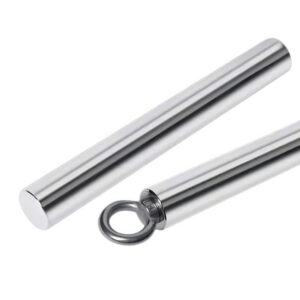
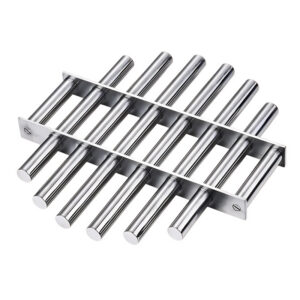
A neodymium magnetic rod is a cylindrical, high-strength permanent magnet assembly typically made from neodymium iron boron (NdFeB) rare earth material or high-coercivity ferrite. Often referred to in processing sectors as high-flux Magnetic Bars or industrial Tube Magnets, it features an outer protective layer of 304 or 316 stainless steel, with flanged ends or internal/external threaded screws tailored for additional lifting ring installation. It offers exceptional corrosion resistance and ease of cleaning, and is used to continuously remove iron debris contaminants from powdered, granular, or liquid materials. These rods are widely employed in food processing, chemical manufacturing, and heavy mining industries to ensure product purity and extend downstream equipment lifespans.
Differences Between Magnetic Rods and Industrial-Grade Powerful Magnetic Rods
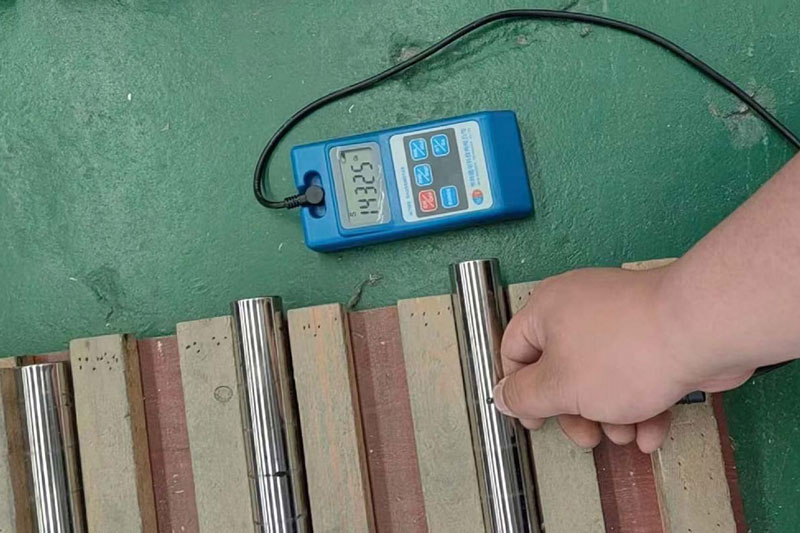
MagnetGlobal produces more reliable, industrial-grade powerful neodymium magnetic rods, clearly distinguished from standard commercial products by their superior magnetic properties. Crafted from high-performance Rare Earth Magnetic Rods raw stock, these specialized rods achieve surface magnetic flux densities exceeding 15,000 Gauss—nearly ten times that of standard retail magnets—setting a new benchmark for industrial-grade magnetic performance (15,000 Gauss). This formidable magnetic force effortlessly captures submicron-sized iron particles, including weakly magnetic impurities like work-hardened 304 stainless steel flakes, directly preventing and reducing production batch defects and unexpected equipment failures.
Why are industrial-strength magnetic rods indispensable?
Amidst the global manufacturing industry’s pursuit of precision and efficiency, industrial-strength Magnetic Filter Bars have become core components for enhancing production efficiency and ensuring product quality due to their critical role. With global demand for high-performance industrial components surging—projected to exceed RMB 20 billion by 2026 at a 15% CAGR—gaining deep insights into the value, application scenarios, and selection techniques of industrial magnetic rods is crucial for manufacturers worldwide.
Durability stands out as another key advantage. Stainless steel-clad magnetic rods feature heavy-duty 304/316L stainless steel tubing as the outer layer. Furthermore, MagnetGlobal’s stainless steel cladding employs advanced laser seamless welding technology, achieving a certified IP68 protection rating. Compared to traditional manual edge-knocking processes, this design enhances impact resistance and leak prevention by 50%. It delivers outstanding waterproofing and corrosion resistance for direct application in extreme conditions like deep-sea exploration equipment and highly corrosive chemical environments—truly a corrosion-resistant magnetic rod. A triple-layer nickel-copper-nickel electroplating process further elevates the internal protection rating. High-quality strong magnetic rods exhibit an annual demagnetization rate of just 1%. Our proprietary low-demagnetization rods, utilizing rare-earth homogenization smelting technology, maintain an annual demagnetization rate below 0.5%—half the industry standard. They sustain stable iron removal efficiency even under prolonged high temperatures and strong magnetic field interference, ensuring reliable operation for years. Specialized samarium-cobalt high-temperature magnetic rods withstand temperatures up to 350°C, adapting to demanding thermal conditions.
Additionally, their energy-saving properties align with global green manufacturing trends. Industrial strong magnetic rods operate entirely without electricity, reducing energy consumption while meeting stringent environmental requirements such as China’s Clean Production Standards for the Magnetic Materials Industry. For enterprises seeking to lower operating costs and reduce carbon emissions, this fusion of high performance and sustainability is emerging as a key force reshaping the industry landscape.
What are the applications of industrial magnetic rods, and in which industries are they primarily used?
Industrial-grade Tube Magnets serve as a vital driver across multiple high-growth sectors and find widespread global application:
- New Energy and Automotive Sector: With the global boom in new energy vehicles and renewable energy industries, demand for magnetic rods in electric vehicles is growing exponentially. Each new energy vehicle’s permanent magnet motor consumes 2-3 kilograms of magnetic materials, while wind turbines and energy storage systems also rely on magnetic materials for efficient energy conversion. Vietnam, the United States, and Malaysia are major importers of these products, presenting significant export opportunities.
- Food and Pharmaceutical Industry: Food and pharmaceutical production must strictly adhere to safety standards (e.g., GB14881-2013), requiring magnetic rods with surface magnetic induction intensity no less than 8,000 Gauss. Food and pharmaceutical de-ironing magnetic rods effectively remove metallic impurities from flour and medicinal powders. Their non-toxic, easy-to-clean design complies with international food safety, pharmaceutical, and medical device regulations such as ISO13485.
- Electronics and Precision Manufacturing: In 3C electronics and industrial robotics, miniature Magnetic Bars as small as 3mm in diameter enable precise positioning and wireless charging capabilities. Magnetic rods for electronic precision manufacturing protect delicate components from iron filings, reduce short-circuit risks, and enhance product reliability—particularly suited for high-precision electronics markets like Europe and Japan.
- Environmental Protection: High-gradient magnetic separation systems in wastewater treatment plants require 3,000 to 5,000 magnetic rods per unit, serving as core components. Metal recovery rods process over 80 million tons of material annually, aligning with the emerging global circular economy paradigm.
How to Select the Right Industrial Strong Magnetic Bar for Your Needs?
Choosing the appropriate industrial strong Magnetic Filter Bars requires balancing three core factors to avoid cost wastage from improper selection and ensure maximum return on investment—the central principle of this selection guide:
- Magnetic Induction Strength: Select magnetic bars based on application scenarios—for removing large metal particles from agricultural products, choose bars with 8,000–10,000 Gauss strength; For attracting weakly magnetic materials, use a magnetic rod with an intensity of 12,000–14,000 Gauss; For removing fine impurities in pharmaceuticals, electronics, and similar fields, select a high-intensity magnetic rod (15,000 Gauss) or higher.
- Materials and Temperature Resistance: Neodymium-iron-boron rods (N35-N52 grades) suit most industrial environments ≤80°C; samarium-cobalt high-temperature rods excel in extreme heat (up to 350°C), meeting industry demands for heat-resistant rods; for corrosive environments like chemical processing, choose stainless steel-clad rods with reinforced casings.
- Dimensions and Customization: Magnetic rod diameters range from 16 mm to 50 mm. Custom shapes like flat profiles are available for limited installation spaces. We offer rapid prototyping for custom Rare Earth Magnetic Rods, delivering non-standard samples (16 mm to 50 mm diameter) within 72 hours. Each sample includes a magnetic flux test report and installation plan, flexibly meeting diverse international customer needs from small trial orders to large-scale production. When selecting models, consider equipment installation requirements: smaller diameter rods suit compact machinery, while larger diameters provide stronger magnetic fields for bulk material handling.
Additionally, maintenance is critical: we recommend testing magnetic induction strength with a gaussmeter every 1-3 months. Replace immediately when magnetic strength declines by 30% or more. To extend service life, avoid prolonged exposure to high temperatures, strong external magnetic fields, and frequent vibrations.
Why Source Industrial-Grade Magnetic Bars from China?
China is the world’s largest exporter of Magnetic Bars, shipping 690,000 units annually. Chinese suppliers offer unmatched advantages to international buyers:
- Technological Leadership: Chinese-manufactured neodymium iron boron magnetic rods achieve magnetic energy products up to 52 MGOe, approaching world-leading standards, while continuously innovating samarium cobalt high-temperature magnetic rods and miniaturized magnetic rod technologies.
- Exceptional Value: Leveraging vertical integration advantages in China’s rare earth supply chain (China accounts for 75% of global NIB production), Chinese manufacturers offer highly competitive wholesale prices for industrial magnets while maintaining quality standards.
- Robust Customization Capabilities: From medical-grade biocompatible coated rods to industrial magnetic arrays, tailored solutions meet diverse requirements with short lead times for bulk orders and rapid response.
- International Compliance: Products hold ISO, RoHS, and FDA certifications. ISO-certified magnetic rods seamlessly integrate into global supply chains, establishing China as a premier export source for high-performance magnets.
Future Trends in Industrial High-Strength Magnetic Rods: Three Key Directions Shaping Industry Development
The industrial high-strength Tube Magnets sector is undergoing rapid transformation, with future market demand influenced by three major trends:
- High-End Specialization: By 2025, high-performance magnetic materials will account for 55% of market share. Demand for magnetic rods with high magnetic energy product and low demagnetization rates in sectors like new energy vehicles and aerospace will drive industrial upgrading.
- Intelligent Integration: Magnetic rods are increasingly integrated with smart sensors and IoT systems to enable real-time performance monitoring and predictive maintenance. This significantly enhances equipment management efficiency and boosts capabilities in applications like high-gradient magnetic separation systems.
- Sustainability: Clean production processes, wastewater recycling rates up to 85%, and the use of recycled rare earth materials in magnet rod manufacturing are becoming key criteria for global buyers when selecting suppliers. This is propelling industrial iron removal solutions toward sustainable development.
Industrial-grade high-intensity magnetic rods, despite their compact size, play an irreplaceable role in core industrial production processes. From ensuring final product quality to driving green industrial upgrades, they remain unsung heroes behind the scenes. For global manufacturers, selecting high-quality industrial magnetic rods is not only a wise move to reduce production costs but also a critical decision to enhance product competitiveness.
If you’re seeking a reliable Chinese magnetic rod supplier or exploring customized magnetic solutions, MagnetGlobal welcomes your inquiry. With our expertise, premium products, and efficient service, we empower your production efficiency to reach new heights.
This article is original content from MagnetGlobal. Please credit the source when reposting.